DRAMA; 1hr 40min
STARRING: Deborah Mailman, Pedrea Jackson, Thomas M. Wright, Erroll Shand, Joe Bird
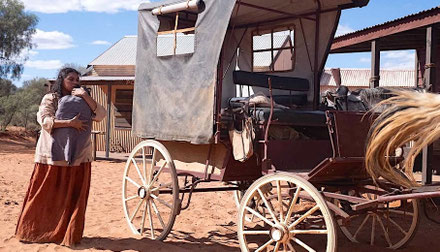

Mother load: Mailman
Picking up four years after the events in director and cinematographer Warwick Thornton’s Sweet Country, this brutish, reality-bitten sequel from Thornton and screenwriters Steven McGregor and David Tranter opens in 1932 on a lingering note of abject misery. The tungsten-mining settlement of Hatches Creek, in Australia’s Northern Territory, is as bare-bones as any hellish outpost of civilisation could conceivably be. Parched and fly-blown to maximum visual effect, the Creek is marinating in anger. Its white men are angry because enduring the barren land is thankless, while for the Indigenous people they exploit, the slog of survival is maximally compounded by the indignity of oppression.
When two unlovely outlaws (Shand and Bird) ride into town, as in Westerns through the ages they’re invariably wont to do, their potty-mouthed, abrasive presence is an added blight on every miserable scene. Sweet Country ’s Philomac (Jackson), who has at 18 has had a gutful of his bullying father, Mick (Wright), gets the downer deal in one: “White people are trouble.”
That trouble doesn’t end with his own: the seemingly hopeless case of enslaved sibling child miners Max and Kid (Hazel Jackson and Eli Hart), who have nowhere to run but to lower depths, is an incentive to fellow sufferer Philomac to grab them and go. (Mailman, meanwhile, is a peripheral emotive presence as Pansy, a haunted mother with a key reveal.) That no evil deed will eventually go unpunished does bring some vindication to those who sorely need it. But the searing grip of Thornton’s slow burn is in no way inclined to a bright side.